Industrial rollers play an important role in printing, coating, slitting, rewinding, laminating and other web-processing applications. They are responsible for guiding, conveying, pulling and controlling materials during production. After long-term operation, however, roller surfaces may experience wear, scratches, slipping, material deviation, wrinkling or adhesive and ink buildup. If these problems are not addressed in time, they can affect product quality, increase maintenance costs and even cause unexpected machine downtime. So, what should you do when an industrial roller becomes worn? More importantly, how can you protect the roller and extend its service life? 1. What Causes Industrial Roller Wear? Roller wear is usually caused by a combination of friction, operating conditions, material characteristics and maintenance practices. Continuous High-Speed Operation Industrial rollers often operate continuously at high speeds. Constant contact between the roller surface...
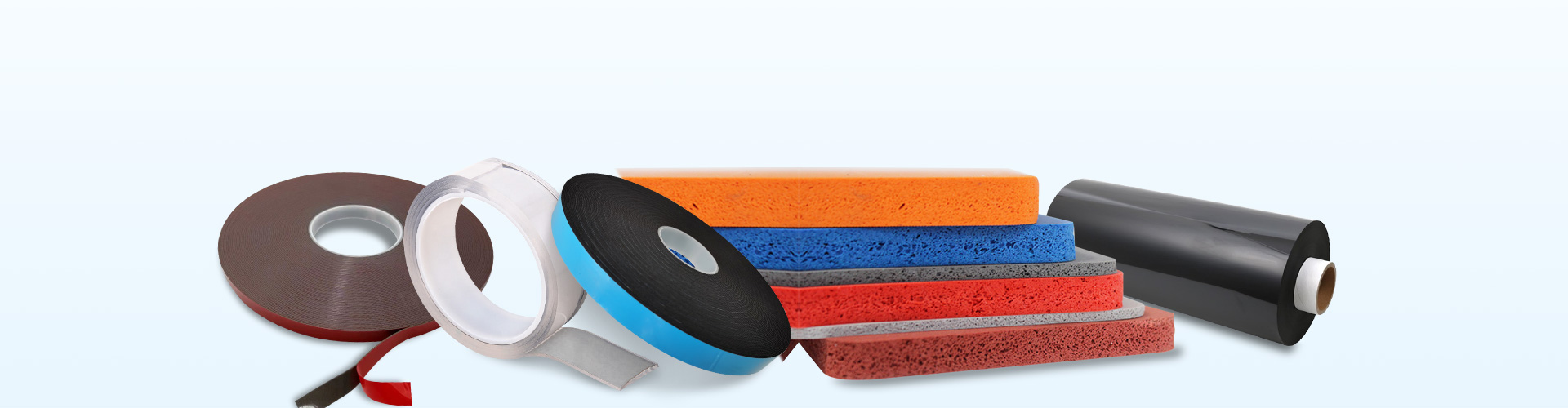
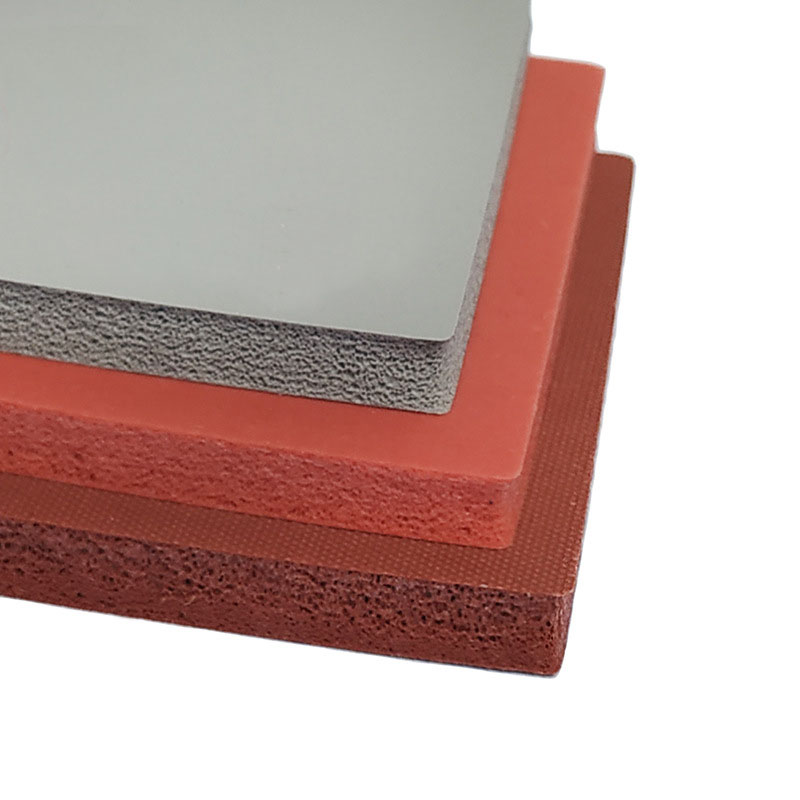
Silicone Foam Sheet: Properties, Benefits, Applications and How to Choose Silicone foam sheet is a versatile material widely used in industrial manufacturing, automotive components, electronic equipment and protective applications. Known for its flexibility, resilience and temperature resistance, silicone foam provides practical solutions for cushioning, sealing, insulation and equipment protection. Compared with many conventional foam materials, silicone sponge offers a combination of flexibility and performance in demanding environments. It is available in different densities, hardness levels, thicknesses and colors to meet various application requirements. But what makes silicone foam sheet a suitable choice for industrial applications? How do you select the right material for your project? In this guide, GMARK explores the key properties, common applications and important selection factors of silicone foam sheets. 1. What Is Silicone Foam Sheet? What Is Silicone Foam Made Of? Silic...