-
Tel : 86+19526646869
-
Email : admin@gmarkcn.com
-
Skype : +86-17803901720,86+13100396144


Tel : 86+19526646869
Email : admin@gmarkcn.com
Skype : +86-17803901720,86+13100396144
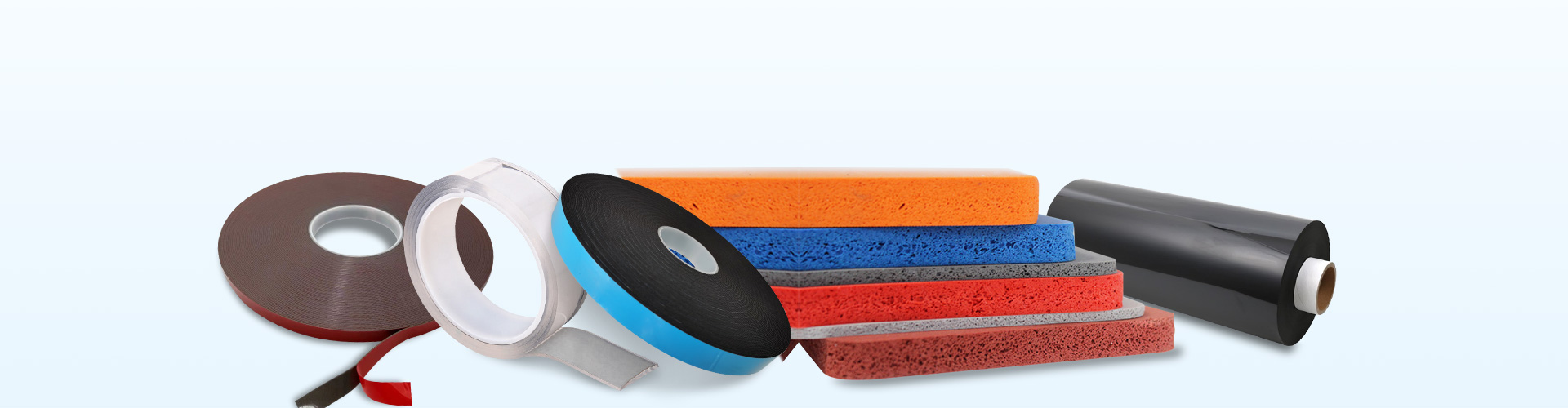
Double sided acrylic foam tape is widely used in industrial assembly, automotive components, electronics, signage, household products and mounting applications. Compared with conventional adhesive tapes, acrylic foam tape features a foam-based structure that can help accommodate minor surface irregularities and provide a flexible bonding layer between two substrates.
However, not all acrylic foam tapes are the same. Differences in thickness, adhesive properties, substrate materials, bonding area and environmental conditions can significantly affect bonding performance. So, how do you choose the right double sided acrylic foam tape for your application?
In this guide, we will explain the key factors to consider when selecting acrylic foam tape, including thickness, color, substrate compatibility, bonding requirements and application conditions.
Double sided acrylic foam tape is a bonding tape made with an acrylic foam carrier and adhesive on both sides. The foam structure provides a flexible bonding layer, while the adhesive system is designed to bond with various materials depending on the tape grade and application conditions. Unlike traditional mechanical fastening methods, acrylic foam tape can provide a bonding solution without drilling holes or using screws in suitable applications. It can also help create a cleaner appearance by reducing visible fastening points.
Common applications include:
Automotive trim and component mounting
Signage and display installation
Electronic device assembly
Decorative panel attachment
Industrial component bonding
Household product assembly
The appropriate tape should always be selected according to the specific bonding requirements and tested before final production.
Thickness is one of the most important factors when selecting double sided acrylic foam tape. Different thicknesses can influence the bonding gap, conformity to surface irregularities, cushioning and overall assembly design. Acrylic foam tapes are commonly available in thicknesses ranging from 0.25 mm to 3 mm or more, depending on the product series.
Thin acrylic foam tape is suitable for applications where a relatively narrow bonding gap is required and the bonded components need to remain close together.
Potential applications include:
Small component mounting
Thin decorative panels
Electronic accessories
Compact product assembly
Medium thickness foam tape can provide a balance between bonding thickness and flexibility. It may be suitable for applications involving slightly uneven surfaces or different component tolerances.
Potential applications include:
Automotive trim attachment
Plastic component bonding
Metal panel assembly
General industrial mounting
Thicker acrylic foam tape may help accommodate greater surface irregularities and provide a thicker bonding layer between components.
Potential applications include:
Larger decorative panels
Mounting components with uneven surfaces
Selected industrial assembly applications
Bonding applications requiring a thicker adhesive interface
The ideal thickness depends on the bonding area, substrate, component design, pressure during application and service conditions.
The surface material is another key factor when choosing double sided acrylic foam tape. Different materials have different surface energies, textures and chemical characteristics, which can affect adhesion.
Metal surfaces such as aluminum and stainless steel are commonly used in industrial bonding applications. Acrylic foam tape may provide a suitable bonding solution for selected metal substrates. Before bonding, the surface should be clean, dry and free from oil, dust and other contaminants.
Plastic materials vary considerably in surface energy and adhesion characteristics. Materials such as ABS and PC may be relatively easier to bond with selected acrylic adhesive systems, while PP and PE may require special adhesive formulations or surface treatment. It is important to identify the exact plastic material before selecting a tape.
Glass is commonly used in decorative, mounting and assembly applications. Acrylic foam tape may be suitable for selected glass bonding applications when the tape grade and bonding conditions are appropriate. Surface cleanliness, bonding area, loading conditions and environmental exposure should be carefully evaluated.
Before selecting acrylic foam tape, consider what the tape needs to do in the final assembly.
For applications requiring long-term attachment, the tape should be selected according to the required bonding strength, substrate compatibility, environmental exposure and service life.
For mounting applications, consider the weight and size of the component, bonding area, load direction and whether the load is static or dynamic.
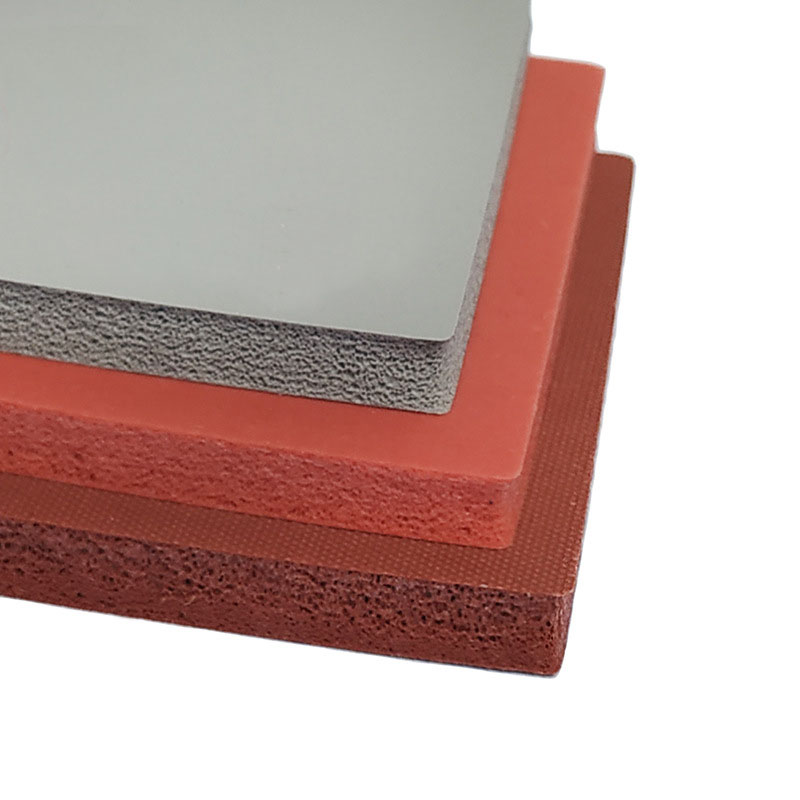
Acrylic foam tape may help accommodate minor surface irregularities and provide a flexible layer between bonded components. The appropriate thickness and foam characteristics depend on the assembly design.
Some acrylic foam tape grades may be suitable for applications involving moisture exposure or sealing between components. However, sealing performance depends on tape construction, bonding conditions, surface geometry and application design. Not every acrylic foam tape is suitable for waterproof or outdoor sealing applications.
Acrylic foam tape is available in different colors to match the appearance of the bonded components or product design.
Common colors include:
Black acrylic foam tape
Grey acrylic foam tape
White acrylic foam tape
Clear acrylic foam tape
Black foam tape is commonly selected for applications where the bonding layer needs to blend with dark components or where the assembly design requires a black adhesive interface.
Grey acrylic foam tape is a common option for industrial bonding and mounting applications. It may be selected for applications where the tape color is compatible with the bonded components.
White foam tape may be preferred for white components, decorative products or assemblies where a lighter bonding layer is desirable.
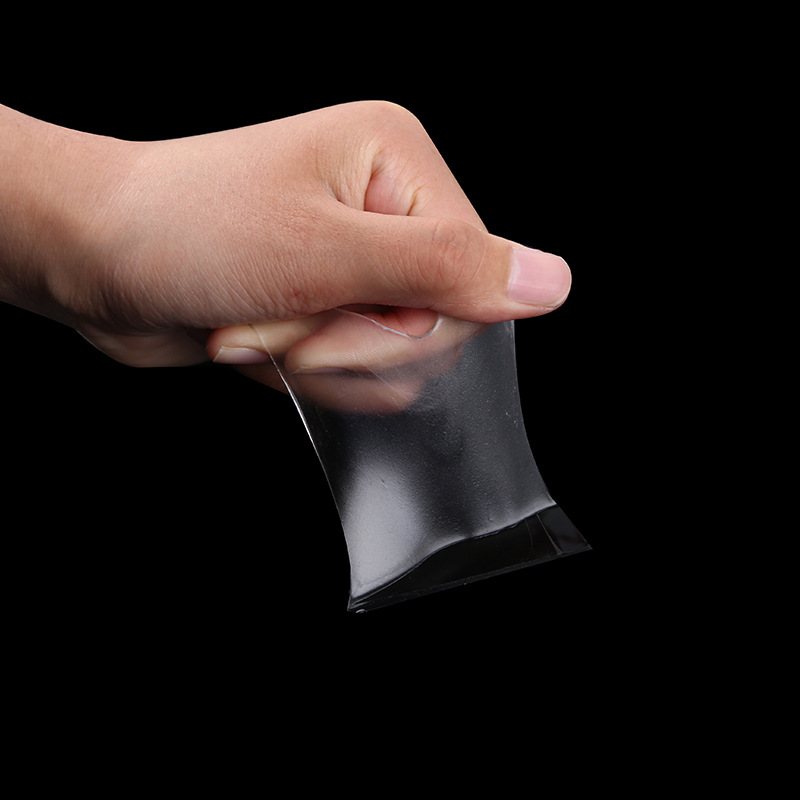
Clear acrylic foam tape may be used in selected applications where transparency or a less visible bonding interface is preferred.
Tape color alone does not determine adhesive performance. The appropriate tape grade should be selected according to the bonding requirements.
The environment in which the tape will be used can significantly affect bonding performance.
Before selecting double sided acrylic foam tape, consider the following conditions:
Operating temperature
Humidity and moisture exposure
UV exposure
Indoor or outdoor use
Vibration and movement
Chemical exposure
Expected service life
For applications involving high temperatures, outdoor exposure, vibration or changing environmental conditions, it is important to evaluate the tape under actual or simulated operating conditions. A tape that performs well under room-temperature conditions may not necessarily perform equally well in a demanding environment.
Even a high-performance adhesive tape may not achieve the expected bonding results if the surface is not properly prepared.
The following steps can help improve bonding consistency:
Remove dust, oil, grease and other contaminants. Use a suitable cleaning method compatible with the substrate.
Ensure the bonding surface is completely dry before applying the tape.
Apply the tape evenly to the bonding surface without stretching it excessively.
Apply sufficient pressure to ensure good contact between the adhesive and the substrate.
Many pressure-sensitive adhesive tapes require time for the adhesive to develop its bonding strength. The required time depends on the adhesive system, substrate and application conditions. For critical applications, follow the manufacturer's recommended bonding procedure and conduct testing before use.
GMARK provides double sided acrylic foam tape solutions for different mounting, bonding and assembly applications. Our acrylic foam tape range offers multiple thickness options, color choices and customized converting services to support different product designs and industrial requirements.
Available options may include:
Thicknesses from 0.25 mm to 3 mm
Black, grey, white and clear options
Customized width and length
Roll and converted tape solutions
Customized specifications according to application requirements
Whether you need acrylic foam tape for component mounting, decorative panel attachment, industrial assembly or product development, GMARK can help you evaluate a suitable tape specification based on your application.
Choosing the right double sided acrylic foam tape involves more than selecting a thickness or color. Surface materials, bonding requirements, environmental conditions, bonding area and surface preparation all play important roles in the final performance. By evaluating these factors before purchasing, you can reduce unnecessary testing, improve assembly consistency and select a more suitable adhesive tape solution for your project.
If you are looking for customized double sided acrylic foam tape, contact GMARK to discuss your application, required thickness, width, length and bonding conditions. Our team can help you evaluate suitable options for your project.
Contact GMARK today to request a quote or sample for your double sided acrylic foam tape application.
Contact me for more details and to get a free sample.


Email : admin@gmarkcn.com
Skype : +86-17803901720,86+13100396144
No.7 Liyuan Road, Xuzhen Zone, Zhangmutou Town, Dongguan City, Guangdong, China