-
Tel : 86+19526646869
-
Email : admin@gmarkcn.com
-
Skype : +86-17803901720,86+13100396144


Tel : 86+19526646869
Email : admin@gmarkcn.com
Skype : +86-17803901720,86+13100396144
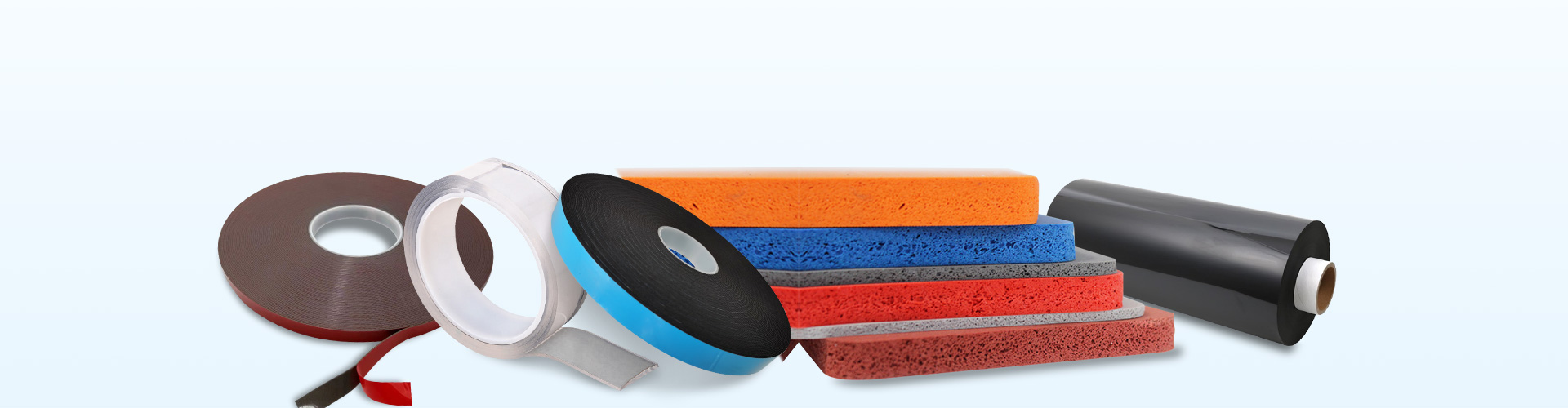
DoubLe sided foam tape is widely used in industrial bonding, mounting, cushioning, and sealing applications. From glass and metal assembly to automotive components and furniture manufacturing, it provides a convenient bonding solution for different materials and surfaces.
However, not all foam tapes offer the same performance. The foam material, adhesive type, thickness, and application environment can significantly affect bonding strength and long-term performance.
Whether you are looking for PE foam tape, EVA foam tape, or PVC foam tape, understanding these differences will help you select the right product for your project.
In this guide, we will explain the key factors to consider when choosing double sided foam tape for industrial and commercial applications.
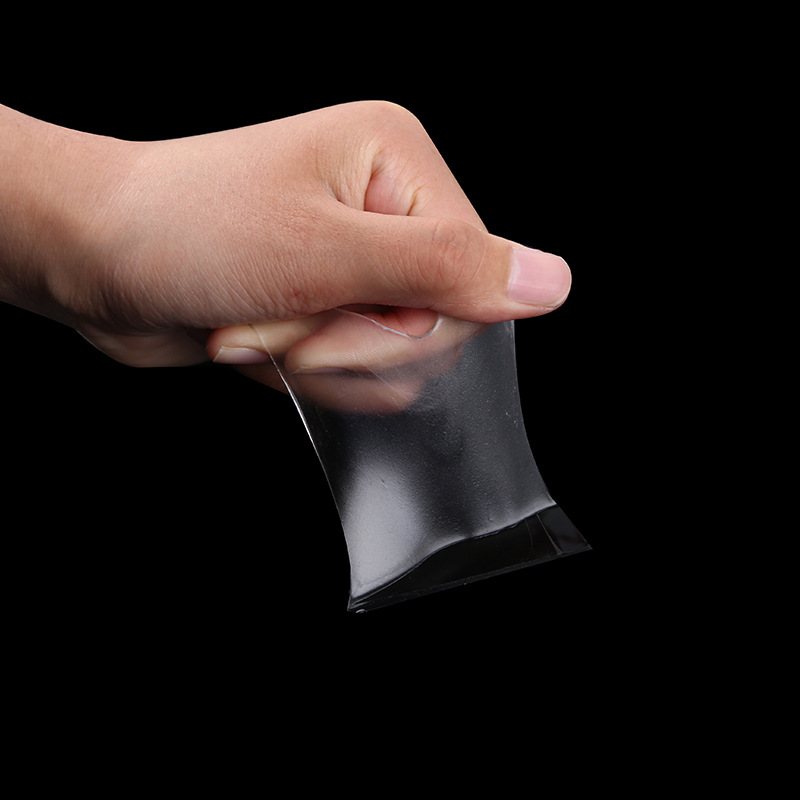
Double sided foam tape is a pressure-sensitive adhesive tape consisting of a foam carrier coated with adhesive on both sides. It typically includes a release liner that protects the adhesive before application.
The foam carrier provides flexibility, cushioning, and gap-filling capabilities, while the adhesive layers create a bond between two surfaces.
Depending on the material and adhesive formulation, double sided foam tape can be used for:
Bonding uneven or slightly irregular surfaces.
Mounting signs, panels, and decorative components.
Sealing gaps between different materials.
Cushioning and absorbing minor vibrations.
Fixing glass, metal, plastic, and wooden components.
Compared with conventional thin double sided tape, foam tape offers greater thickness and better surface adaptability, making it suitable for applications where cushioning and gap filling are important.
When pressure is applied, the adhesive layers come into contact with the bonding surfaces and establish adhesion.
The foam carrier helps distribute stress and accommodate minor surface irregularities. This can improve contact between the adhesive and the substrate.
For reliable bonding, surfaces should be clean, dry, and free from dust, oil, and other contaminants. Application pressure and temperature should also be considered.

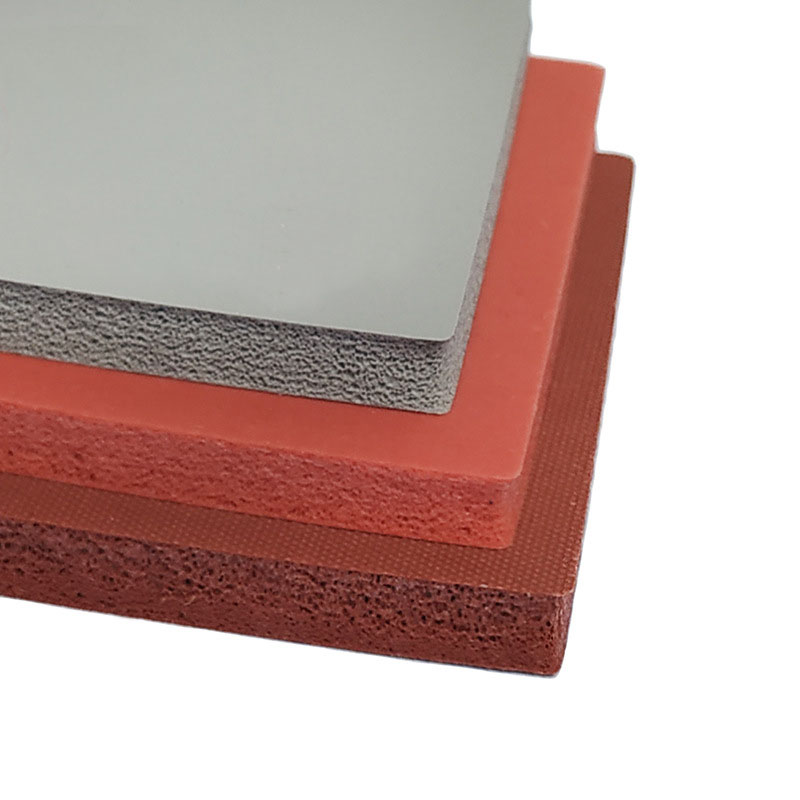
The foam carrier is one of the most important factors affecting the performance of double sided foam tape. PE, EVA, and PVC are common material options, each offering different characteristics.
| Foam Material | Main Characteristics | Typical Applications |
|---|---|---|
| PE Foam | Lightweight, flexible, and available in closed-cell structures | Sealing, mounting, cushioning |
| EVA Foam | Soft, elastic, and good conformability | Furniture, packaging, cushioning |
| PVC Foam | Flexible and available in different formulations and densities | Industrial assembly, sealing, mounting |
PE Foam Tape
PE (Polyethylene) foam tape is commonly used in general industrial bonding and sealing applications. Its lightweight structure and flexibility make it suitable for gap filling, cushioning, and mounting.
Closed-cell PE foam options can also provide good moisture resistance when properly selected.
EVA Foam Tape
EVA (Ethylene Vinyl Acetate) foam tape offers flexibility and cushioning properties. It is suitable for applications where surface conformity and shock absorption are required.
It is commonly used in furniture manufacturing, packaging, and general industrial assembly.
PVC Foam Tape
PVC (polyvinyl chloride) foam tape is available in different formulations and foam structures. It can be selected for applications requiring flexible bonding, cushioning, and sealing.
The specific performance depends on the formulation, density, and adhesive system.
The best material depends on your application requirements.
Choose PE foam tape for general-purpose sealing, mounting, and cushioning.
Choose EVA foam tape when flexibility and cushioning are important.
Choose PVC foam tape when a specific flexible foam structure is required for industrial assembly or sealing.
If you are unsure which material is suitable, consider the substrate, application environment, required compression, and bonding performance before making a decision.
Besides the foam carrier, adhesive selection and tape thickness directly affect the bonding result.
Double sided foam tape is available with different adhesive systems to meet various bonding requirements.
Acrylic Adhesive
Acrylic adhesive is commonly selected for applications requiring reliable adhesion to different substrates. Depending on the formulation, it can offer good resistance to environmental factors and temperature changes.
It is suitable for applications involving glass, metal, plastics, and other industrial materials.
Hot Melt Adhesive
Hot Melt adhesive provides good initial tack and is commonly used for general-purpose bonding and mounting applications.
It can be a practical option when quick initial adhesion and efficient processing are important.
| Comparison | Acrylic Adhesive | Hot Melt Adhesive |
|---|---|---|
| Initial Tack | Depends on formulation | Generally high |
| Bonding Performance | Suitable for various substrates | Suitable for many general-purpose applications |
| Temperature Resistance | Depends on adhesive grade | Depends on adhesive formulation |
| Typical Uses | Industrial bonding and mounting | General mounting and assembly |
The right adhesive should be selected according to the substrate material, bonding requirements, operating temperature, and expected service conditions.
Thickness is another important consideration when choosing double sided foam tape.
Common thickness options include:
0.5 mm–0.8 mm: Suitable for relatively thin bonding and mounting applications.
1mm–1.5mm: Suitable for general assembly and light gap filling.
2mm–3mm: Suitable for applications requiring additional cushioning and surface adaptability.
4mm–6mm: Suitable for thicker gap filling and applications requiring greater cushioning.
Thicker foam does not automatically mean stronger adhesion. The appropriate thickness depends on the gap size, compression requirements, surface conditions, and load.
For this reason, it is recommended to test the selected thickness under actual application conditions.
Double sided foam tape is used in various industries because of its bonding, cushioning, and sealing capabilities.
Glass and Glazing Industry
Double sided foam tape can be used for glass mounting, glazing components, and cushioning between assembled parts. The appropriate adhesive and foam structure should be selected according to the glass surface and environmental conditions.
Door and Window Manufacturing
Foam tape is used for sealing, mounting, and gap filling in door and window assemblies. Closed-cell foam options may help reduce moisture penetration when properly designed for the application.
Automotive Industry
PE and EVA foam tapes can be used for interior component mounting, cushioning, and vibration-related applications. Material compatibility and temperature resistance should be evaluated before use.
Furniture Manufacturing
Double sided foam tape provides a convenient way to mount decorative panels, trims, and other furniture components.
Electronics and Industrial Assembly
Foam tape can be used for component fixing, cushioning, and insulation-related applications, depending on the material and adhesive specifications.
Before selecting a foam tape for your project, consider the following factors:
Substrate material: Glass, metal, plastic, wood, or painted surfaces.
Surface condition: Smooth, rough, curved, or uneven surfaces.
Operating environment: Indoor, outdoor, humid, or high-temperature conditions.
Bonding requirements: Initial tack, final adhesion, and load-bearing requirements.
Foam specifications: Material, density, thickness, and compression performance.
Testing samples before bulk production is recommended to ensure the tape meets your application requirements.
For manufacturers and distributors, standard tape specifications may not always meet specific production requirements. Custom double sided foam tape offers greater flexibility in material selection, dimensions, adhesive systems, and packaging.
At GMARK, we provide customized PE, EVA, and PVC double sided foam tape solutions for different industrial applications.
Available customization options include:
Foam material: PE / EVA / PVC.
Foam color: White / Black.
Thickness: 0.5 mm–6 mm.
Width: 6 mm–1030 mm.
Roll length: 50 m or customized.
Adhesive type: Acrylic or Hot Melt.
Release liner: Yellow paper, white paper, blue, red, or green.
Customized logo printing and packaging.
We also support jumbo rolls and slit rolls for customers who require further converting or processing.
GMARK specializes in adhesive tape manufacturing and customized foam tape solutions.
We understand that different industries have different requirements for bonding strength, foam thickness, material properties, and processing dimensions.
Our manufacturing and customization services include:
Multiple foam material options.
Customized adhesive formulations and specifications.
Flexible slitting and converting services.
OEM and ODM customization.
Product inspection before shipment.
Sample support for application testing.
Whether you need standard double sided foam tape rolls or customized jumbo rolls for industrial production, GMARK can help you identify a suitable solution.
Choosing the right double sided foam tape requires more than simply selecting a thickness or adhesive type. The foam material, adhesive formulation, substrate, application environment, and required bonding performance should all be considered.
PE, EVA, and PVC foam tapes offer different characteristics for industrial bonding, mounting, cushioning, and sealing applications. Selecting the right combination of material, adhesive, and dimensions can help improve application performance and production efficiency.
If you are looking for a reliable double sided foam tape manufacturer, GMARK offers customized PE, EVA, and PVC foam tape solutions with flexible specifications.
Contact GMARK today to discuss your foam tape requirements and request samples or a customized quotation.
Contact
Wechat Whatsapp


Tel:+86 13100396144 Mrs Diana Zhou
E-mail:sales9@gmarktape.com
Contact me for more details and to get a free sample.
Email : admin@gmarkcn.com
Skype : +86-17803901720,86+13100396144
No.7 Liyuan Road, Xuzhen Zone, Zhangmutou Town, Dongguan City, Guangdong, China