-
Tel : 86+19526646869
-
Email : admin@gmarkcn.com
-
Skype : +86-17803901720,86+13100396144


Tel : 86+19526646869
Email : admin@gmarkcn.com
Skype : +86-17803901720,86+13100396144
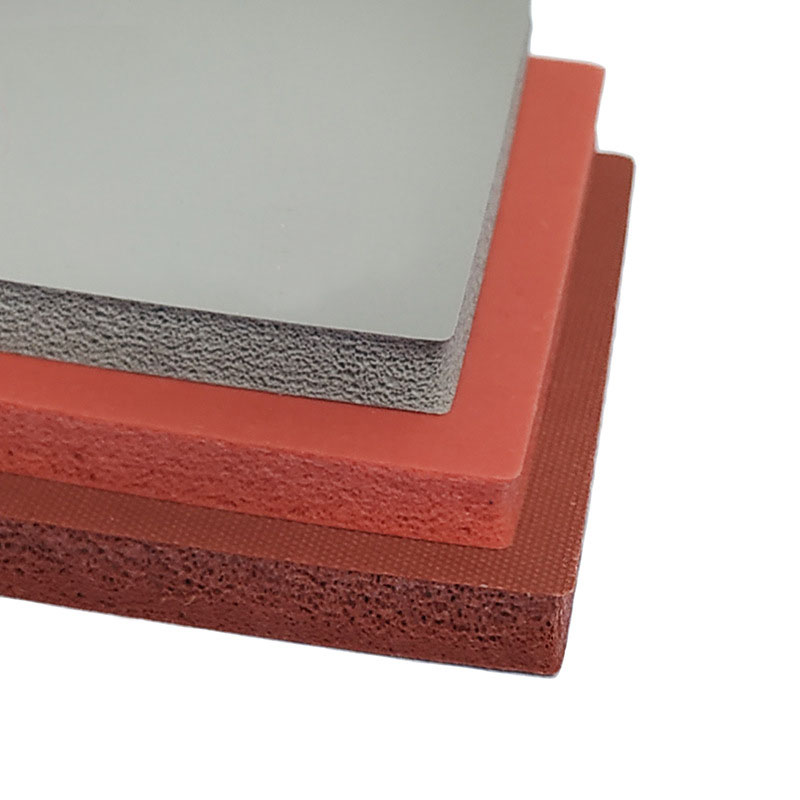
Silicone foam is a versatile and high-performance material widely used across industries such as electronics, automotive, construction, medical devices, and renewable energy. Thanks to its excellent temperature resistance, sealing capability, cushioning performance, and durability, silicone foam has become the preferred solution for demanding applications where traditional rubber or foam materials may fail.
Silicone foam is a lightweight, cellular material produced from silicone rubber. During manufacturing, air bubbles are evenly distributed throughout the silicone structure, creating a flexible and compressible material with excellent sealing and insulation properties.
Unlike conventional foams, silicone foam maintains its performance under extreme temperatures, UV exposure, ozone, moisture, and harsh environmental conditions.
Key Features of Silicone Foam
FAQ 1: What is silicone foam made of?
Silicone foam is made from silicone elastomers that are expanded during manufacturing to create a closed-cell or open-cell foam structure.
FAQ 2: What is the difference between silicone foam and silicone sponge?
Silicone foam generally has a lower density and finer cell structure, while silicone sponge tends to be softer and more compressible. Both offer excellent sealing performance but serve slightly different applications.
FAQ 3: Is silicone foam waterproof?
Closed-cell silicone foam provides excellent resistance to water, moisture, and environmental contaminants, making it suitable for outdoor applications.
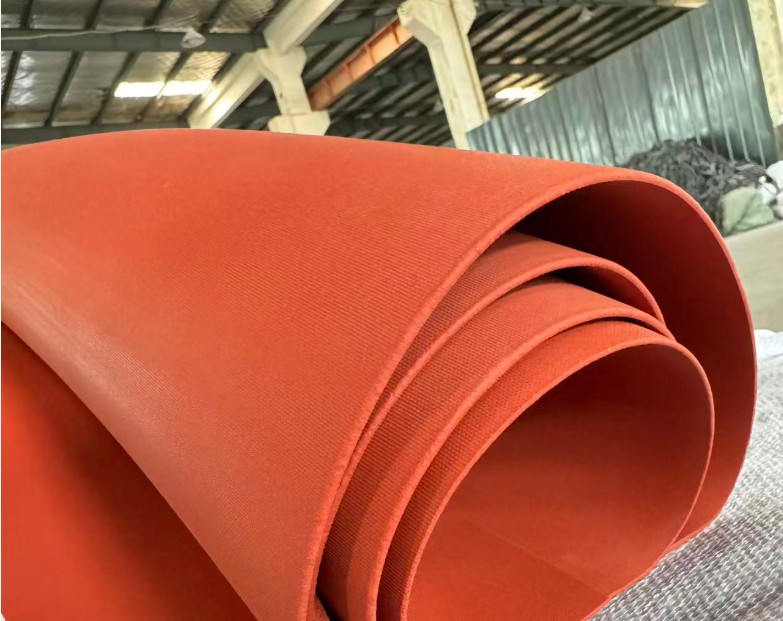
Silicone foam is used in a wide range of industries due to its unique combination of flexibility and durability.
Electronic devices generate heat and require protection against dust, moisture, and vibration. Silicone foam gaskets and pads help create reliable seals while providing thermal insulation.
Applications include:
Modern vehicles require materials capable of handling heat, vibration, and environmental exposure. Silicone foam is frequently used in:
Medical-grade silicone foam is valued for its biocompatibility and reliability.
Typical applications include:
FAQ 4: Can silicone foam withstand high temperatures?
Yes. Silicone foam can continuously operate at temperatures ranging from -60°C to 230°C, making it ideal for high-temperature environments.
FAQ 5: Is silicone foam suitable for electrical insulation?
Yes. Silicone foam offers excellent dielectric properties and is commonly used in electrical and electronic applications.
FAQ 6: Why is silicone foam used in electric vehicles?
Silicone foam helps provide thermal management, environmental sealing, vibration damping, and fire protection for EV battery packs.
FAQ 7: Does silicone foam resist UV and ozone exposure?
Absolutely. One of silicone foam's biggest advantages is its exceptional resistance to UV radiation, ozone, and weathering.
FAQ 8: Is silicone foam safe for medical applications?
Medical-grade silicone foam can meet strict healthcare standards and is widely used in medical devices and equipment.
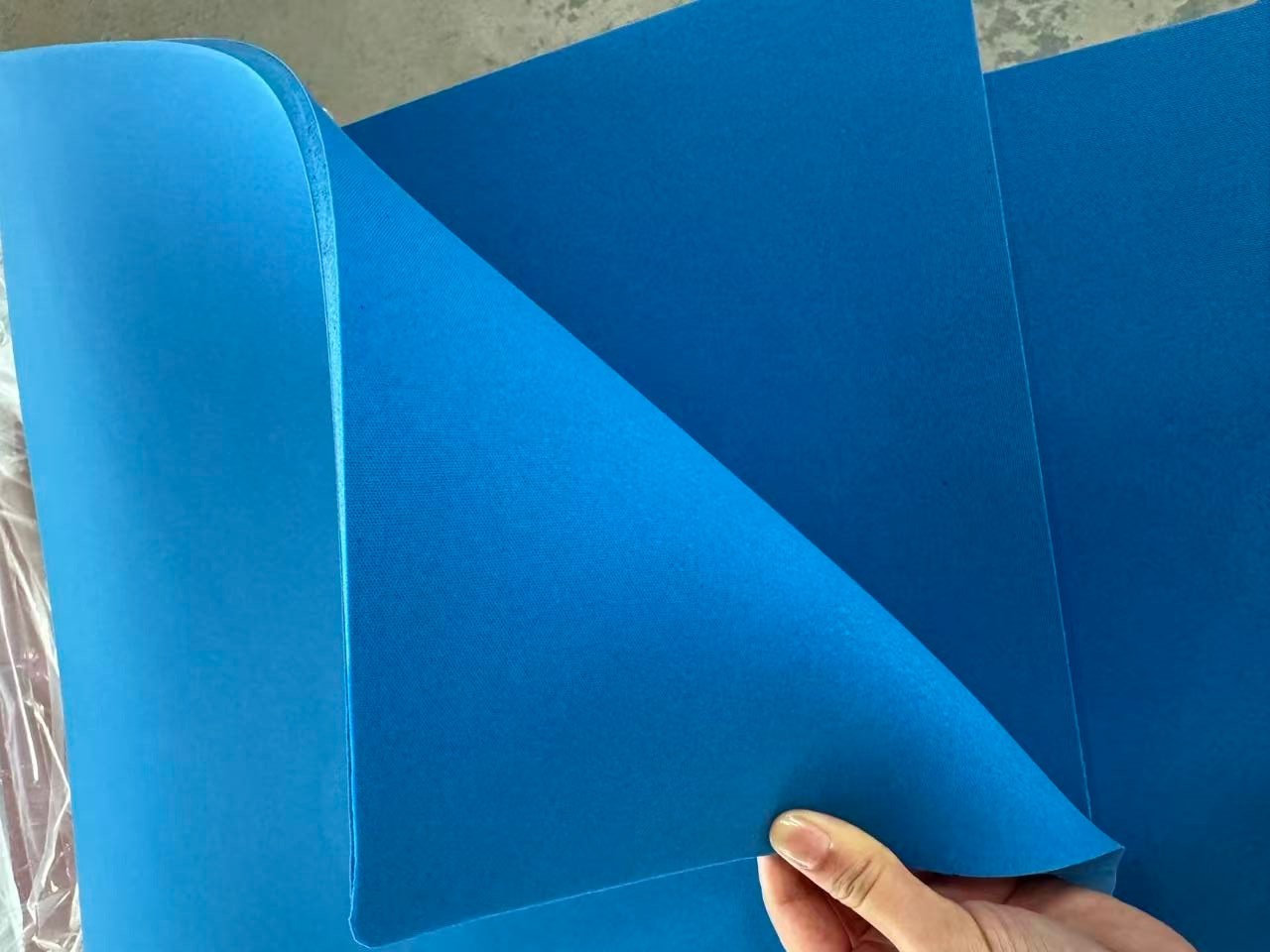
Selecting the correct silicone foam depends on your specific application requirements.
Density
Higher-density materials provide stronger support and durability, while lower-density options offer greater flexibility and compression.
Compression Force Deflection (CFD)
CFD measures how much force is required to compress the material. Choosing the right CFD ensures optimal sealing performance.
Flame Resistance
Many silicone foams are available with UL94 flame-retardant ratings for applications requiring enhanced fire safety.
Thickness and Dimensions
Silicone foam can be supplied in rolls, sheets, strips, die-cut parts, and custom gaskets.
FAQ 9: How long does silicone foam last?
Silicone foam typically offers a service life of 10 to 20 years or more, depending on environmental conditions and application requirements.
FAQ 10: How do I choose the right silicone foam for my project?
Consider factors such as temperature range, sealing requirements, compression characteristics, flame resistance, environmental exposure, and industry standards. Working with an experienced manufacturer can help ensure the best material selection.
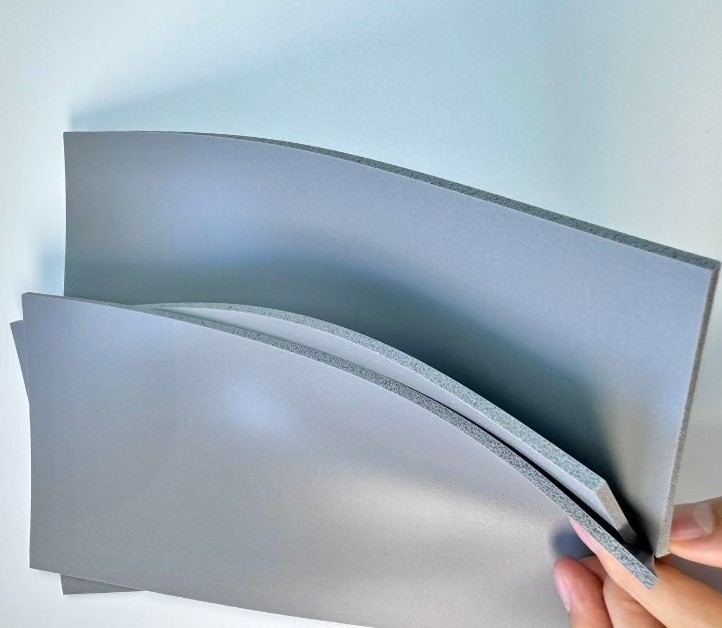
Silicone foam is one of the most reliable materials available for sealing, cushioning, thermal insulation, and environmental protection. Its ability to perform under extreme temperatures, resist UV and weather exposure, and maintain long-term durability makes high temperature corrosion resistant foam an excellent choice across numerous industries.
Whether you're designing EV battery systems, electronic enclosures, medical equipment, or industrial machinery, silicone foam provides a dependable solution that enhances product performance and longevity.
As industries continue to demand higher-performance materials, silicone foam remains a leading choice for engineers, designers, and manufacturers worldwide.
Choosing the right silicone foam material is essential for ensuring long-term product performance and reliability. With years of experience in adhesive and foam material manufacturing, GMARK helps customers worldwide find the right sealing and cushioning solutions for their projects.
Whether you need silicone foam sheets, rolls, gasket materials, or custom die-cut components, the GMARK team is ready to assist.
Contact GMARK today to discuss your silicone foam application and request a sample for testing.
Email : admin@gmarkcn.com
Skype : +86-17803901720,86+13100396144
No.7 Liyuan Road, Xuzhen Zone, Zhangmutou Town, Dongguan City, Guangdong, China