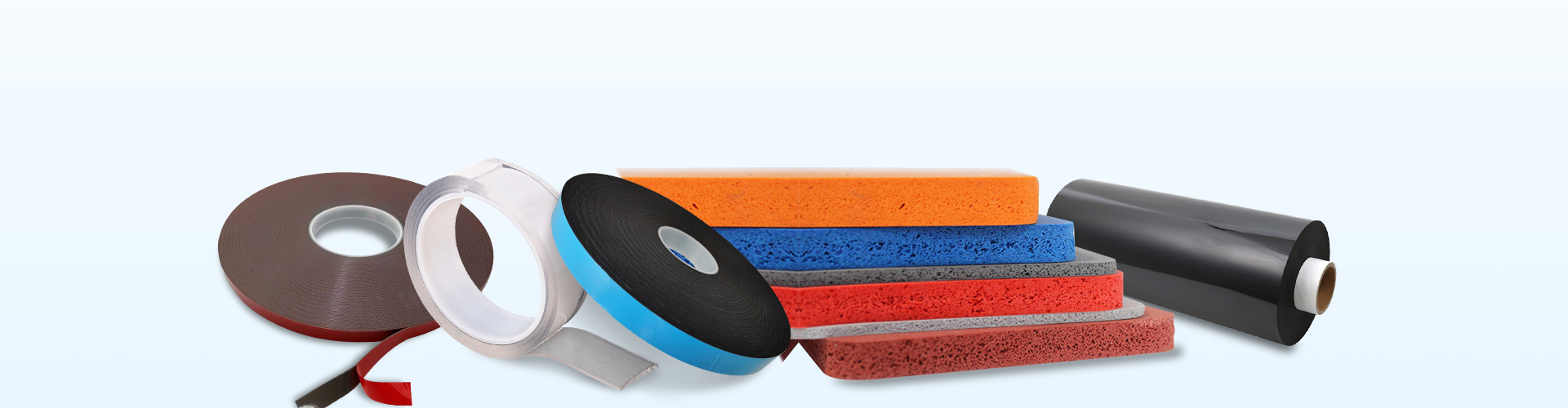
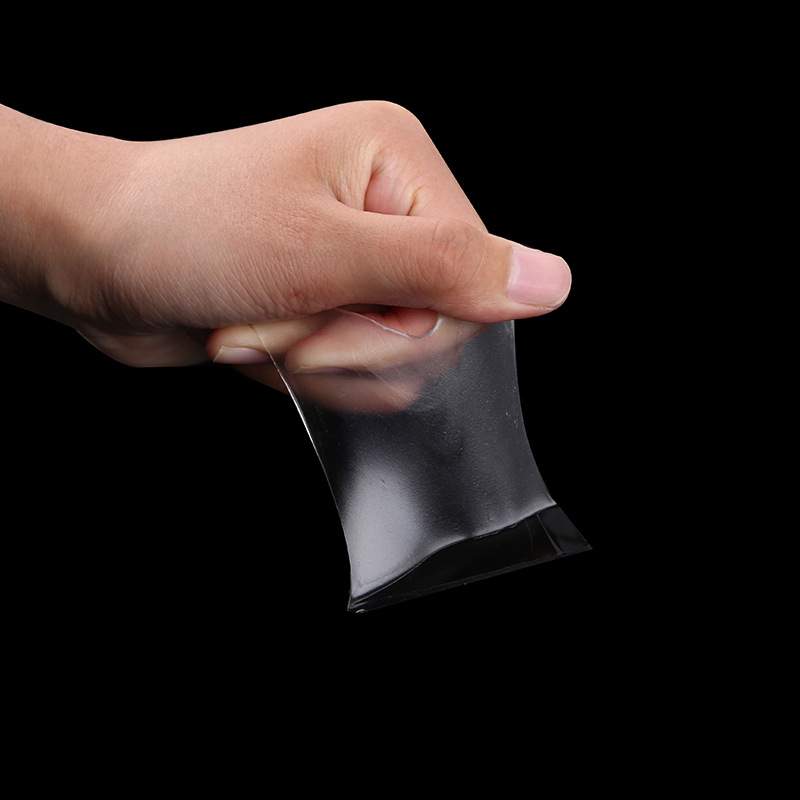
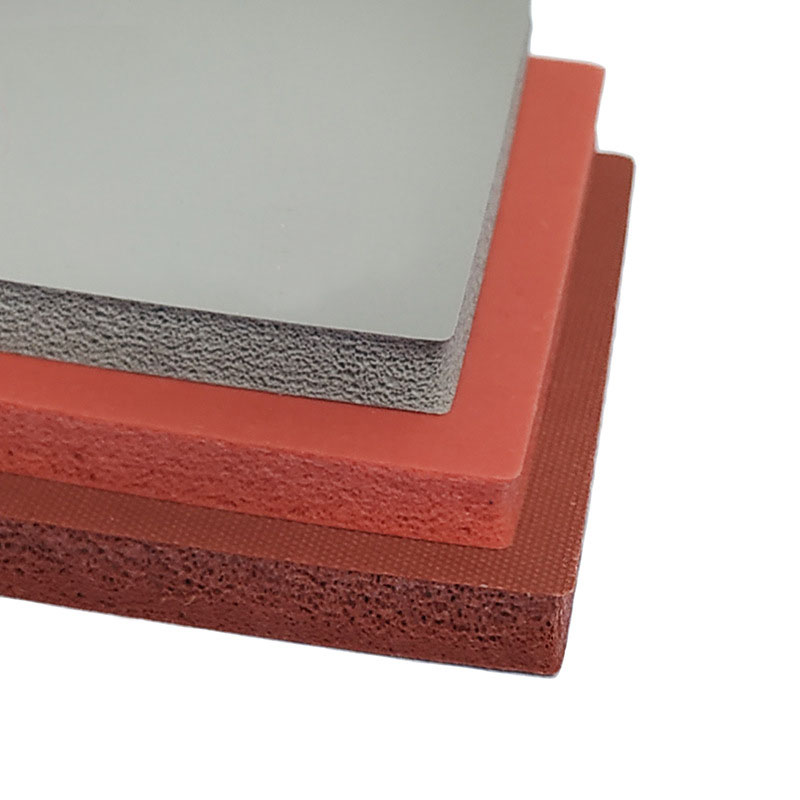
Choosing the wrong acrylic foam tape can cause peeling and failure. Learn 5 key factors to select the right tape for strong, durable bonding. Acrylic foam tape is widely used for automotive trim, signs, mirrors, electronics, construction materials, and many other applications. Its strong bonding performance, weather resistance, and clean appearance make it an excellent alternative to mechanical fasteners. However, not all acrylic foam tapes are suitable for every application. Choosing a tape based only on price or thickness can result in edge lifting, peeling, adhesive failure, or complete detachment after installation. So, how should you choose the right acrylic foam tape? In this guide, we will explain 5 key factors that should be considered before purchasing acrylic foam tape. 1. Is the Tape Thickness Suitable for Your Application? * Does thicker tape always mean stronger bonding? Not necessarily. Acrylic foam tape is available in different thicknesses, such as 0.5 mm,...
Acrylic foam tape fails for three reasons: a dirty surface, too little pressure, too little dwell time. Learn to clean, press and wait for a lasting bond. Acrylic foam tape is the quiet workhorse behind bonded trims, sign panels, window frames and vehicle badges — and it fails for boring, preventable reasons. Bond strength is never decided by the tape alone. It is decided by how you prepare the surface, how much pressure you apply, at what temperature, and how long you leave the joint alone afterwards. Here is the correct way to apply acrylic foam tape, section by section. Part 1 — Surface Preparation: Where Every Strong Bond Starts Q1: Why does surface cleaning matter more than the tape you choose? Acrylic foam tape is a pressure-sensitive adhesive: it bonds by flowing into the microscopic pores and peaks of a substrate, not by melting or reacting. Anything sitting between the adhesive and the surface — dust, cutting fluid, mold release agent, silicone, hand o...